Leaders gathered in Turkmenbashi for a Caspian environmental summit placed the sea's shrinking levels and shared ecosystem at the centre of regional diplomacy, with Azerbaijan's president calling preservation of the Caspian a common task for all littoral states. The expanded meeting brought together Caspian states alongside a wider gathering of former Soviet republics marking 35 years of their Commonwealth.
In remarks reported from the summit, Azerbaijan's President Ilham Aliyev warned that continued shallowing of the Caspian could have catastrophic consequences and described the sea as a zone of peace, stability and constructive partnership that the littoral states share a duty to protect. National stands of member states were also displayed as part of the programme.
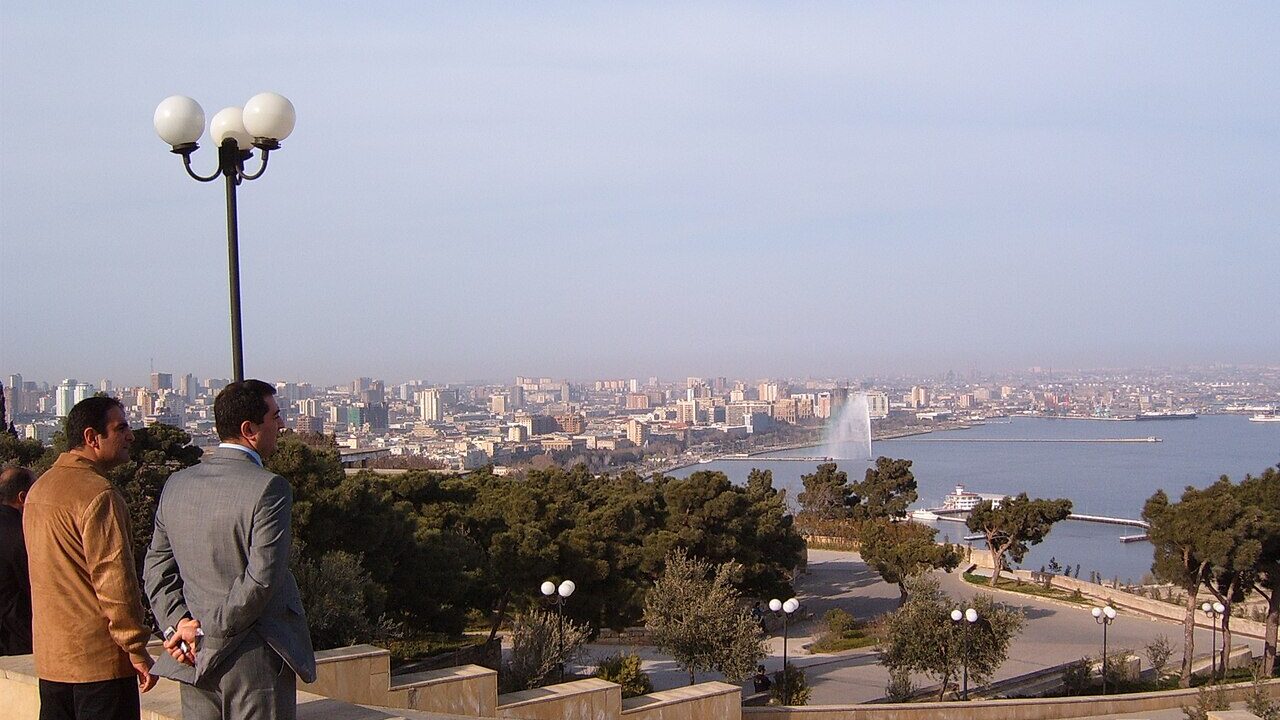
The Caspian is the world's largest inland body of water, bordered by Azerbaijan, Iran, Kazakhstan, Russia and Turkmenistan, and its falling level affects ports, fisheries, energy infrastructure and coastal cities in all five. Scientific assessments differ on the pace and causes of the decline, which is why summit language focused on cooperation rather than a single technical claim.
Separately at the same gathering, Aliyev met Iran's president and described Azerbaijan's 2028 chairmanship of the Commonwealth as a historic moment, according to Azerbaijani reporting. Express News Bulletin attributes summit characterisations to the host and Azerbaijani sources carrying them; independent environmental data will determine whether the commitments translate into monitoring and action.
Environmental diplomacy around the Caspian has practical stakes that communiques can obscure. Falling water levels strand port infrastructure built for deeper drafts, alter fish migration and spawning, and complicate the offshore energy operations several littoral states depend on. A shared monitoring regime, if the summit produces one, would matter more than shared language, because each state currently measures and explains the decline within its own borders.
Azerbaijan's wider diplomatic calendar at the gathering — hosting displays, bilateral meetings and a future chairmanship — shows the summit serving two purposes at once: a technical conversation about a shrinking sea and a positional one about who convenes the region. Readers should judge the environmental track by published follow-up: joint data, funded studies or agreed response thresholds.