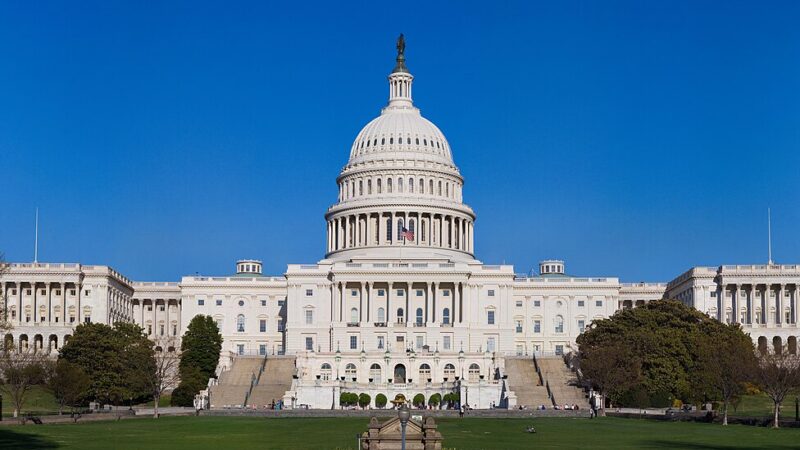
Democrats hold a clear advantage on the issue voters rank first, according to a new AP-NORC survey: 38 percent of registered voters trust Democrats more to handle living costs, against 27 percent who trust Republicans and 27 percent who trust neither party. The poll arrives a month before the November 3 elections that will decide control of Congress and shape the final two years of President Donald Trump's term.
The 11-point gap matters because affordability has become the campaign's dominant subject, spanning gasoline, groceries, housing and borrowing costs. Separate surveys have shown consumer confidence falling as households worry about both inflation and the labour market, creating the opening the poll measures. An advantage on the top issue is the single most valuable asset an out-of-power party can carry into a midterm.
The same results counsel humility for the party benefiting. More than a quarter of voters trust neither party on costs, and frustration extends well beyond the incumbent party. That bloc does not need to be persuaded that prices are high; it needs a credible account of what either party would actually do, at a moment when Congress, the presidency and global energy markets all share responsibility.
Polls measure stated trust at a moment, not turnout in November. Weather, late advertising, candidate quality in individual districts and the state of prices in October itself will all intervene. Express News Bulletin reports the topline as published by the survey's coverage and will compare it with subsequent polls rather than treating one survey as a forecast.
For campaign strategists, the implication is already visible in both parties' messaging: Republicans emphasise crime and the border, Democrats emphasise costs, and each side talks most about the subject the other would rather avoid.
Methodology note for careful readers: the figures describe registered voters asked which party they trust more on living costs, not a vote intention or a prediction of seat counts. District-level outcomes will vary with candidates and local prices. The survey's value is comparative — the same question asked the same way over time will show whether the cost advantage is growing, stable or closing as election day approaches.