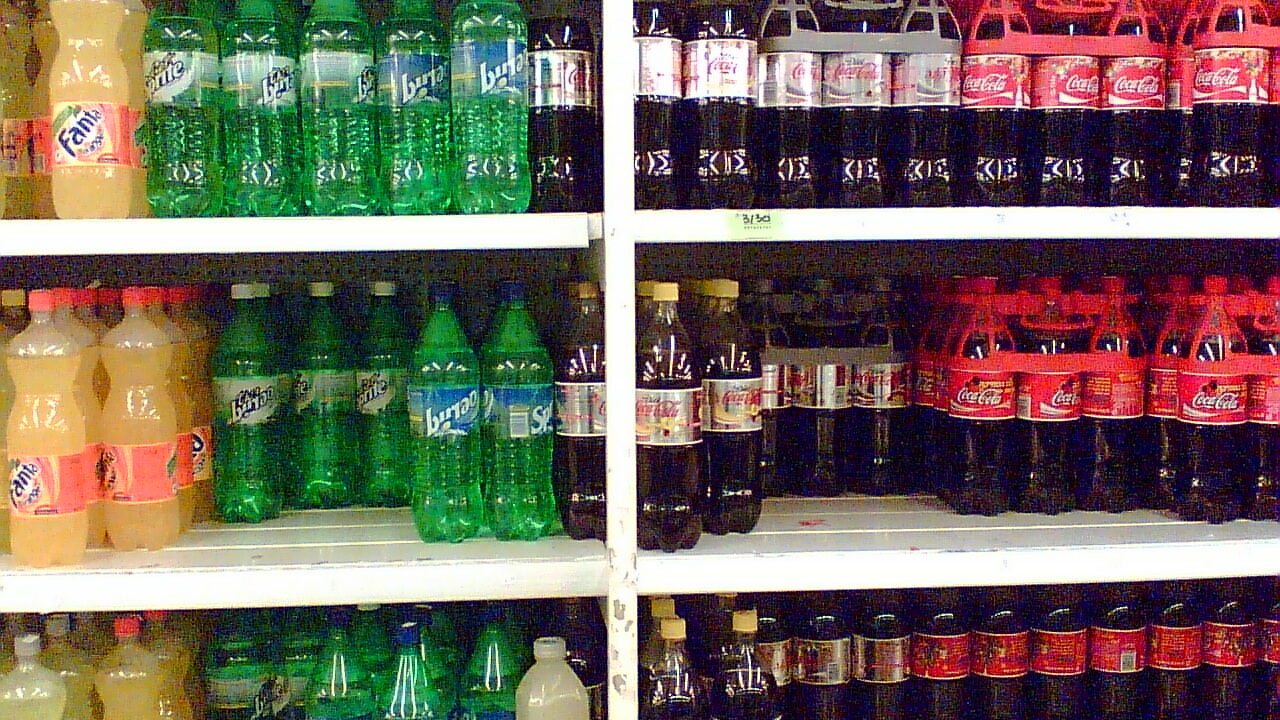
More than 122,000 cases of Gatorade sold across 37 states have been recalled after the United States Food and Drug Administration warned the drinks contained undeclared food colourings, Yellow No. 5 and Yellow No. 6, in an enforcement report published this month. The recall covers 28-ounce bottles of Gatorade Lemon Lime, Lemon Lime Zero, Orange and Orange Zero, was voluntarily initiated by PepsiCo on September 25 and remains ongoing, with no public press release issued at the time of the initial reporting.
The FDA classified the action as a Class II recall on October 2. In the agency's system, Class II means use of or exposure to the product may cause temporary or medically reversible adverse health consequences, or the probability of serious harm is remote — less severe than Class I, where there is a reasonable probability of serious injury or death, but still a defect warranting removal from the market.
Undeclared colourings matter principally to consumers sensitive to them. Yellow No. 5, also called tartrazine, must be declared on labels in the United States precisely because a minority of consumers react to it; an undeclared presence defeats the label's purpose for exactly the readers who check it. The recall therefore turns on labelling accuracy, not on a finding that the drinks are otherwise unsafe for the general population, and reports should keep that distinction.
Distribution reached 37 states, so affected bottles may be in homes, gyms and stores well beyond any single region. Consumers who bought the listed varieties in 28-ounce bottles should check the FDA enforcement report for the specific lot and date details before consuming them and follow the return or disposal instructions given there, rather than relying on summaries — including this one — for product identification.
Express News Bulletin attributes the case count, varieties, dates and classification to the FDA enforcement report as reported, and notes the manufacturer had been contacted for comment in the original coverage. This report is news about a recall, not medical advice; anyone who believes they have reacted to a recalled product should consult a clinician and may report the reaction through the FDA's public reporting routes.