
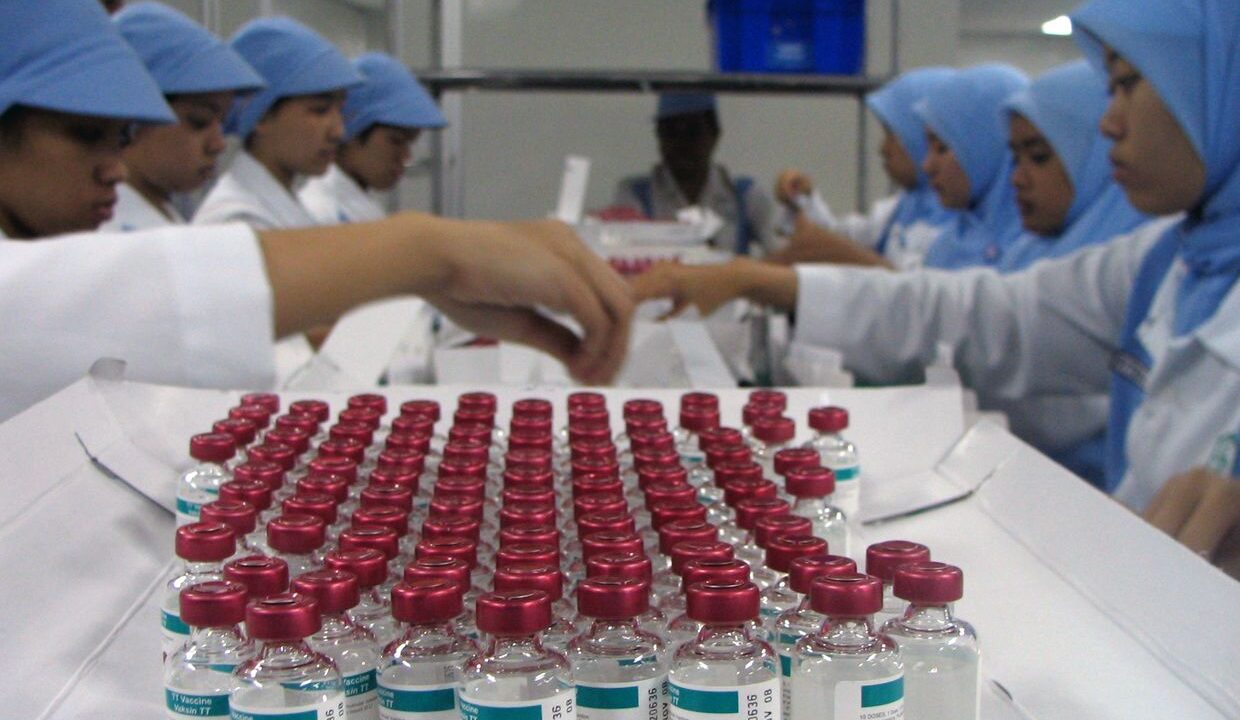
The University of Southern Denmark has approved a revised hepatitis B vaccine study in Guinea-Bissau to proceed, its dean of health sciences confirmed on October 7, reviving a United States-funded trial that had been placed on hold for months after international criticism of its design. The study, funded with $1.6 million from the Centers for Disease Control and Prevention, plans to offer the birth dose of hepatitis B vaccine to half of enrolled newborns while the other half follows the current national schedule, under which Guinea-Bissau does not yet vaccinate newborns against hepatitis B but plans to begin in 2028.
The dean said the approval followed an independent ethical assessment by the university's research ethics committee, that Guinea-Bissau's own ethics panel had already approved the study, and that final authorisation from Guinea-Bissau's authorities is still required before the study can begin. He added that the university had approached the World Health Organization's Research Ethics Review Committee and the European Network of Research Ethics Committees for independent review, and that both said they were unable to conduct one.
Criticism of the original design, when the grant first became public last December, came from infectious-disease experts who argued it withholds a proven intervention: the birth dose is safe, widely recommended, and prevents lifelong infection in a country where nearly one in five people are infected with hepatitis B and chronic infection kills 15 to 25 percent of them through cancer or liver failure. Advocacy groups condemned the revival in statements this week and vowed to oppose it.
The research group behind the study, the Bandim Health Project, has defended the design by stating that no enrolled child will receive fewer vaccines than under current national policy in Guinea-Bissau. That is the ethical crux, and readers should see it stated plainly: the dispute is over whether the comparator should be today's local practice or the recommended practice the country intends to adopt.
Express News Bulletin attributes approvals, funding and positions to the university statement, the project's published defence and the advocacy statements as reported by CIDRAP and Rolling Stone coverage. The responsible health authorities in Guinea-Bissau have the final decision; no enrolment can begin before it, and this report does not present the study as approved to start.