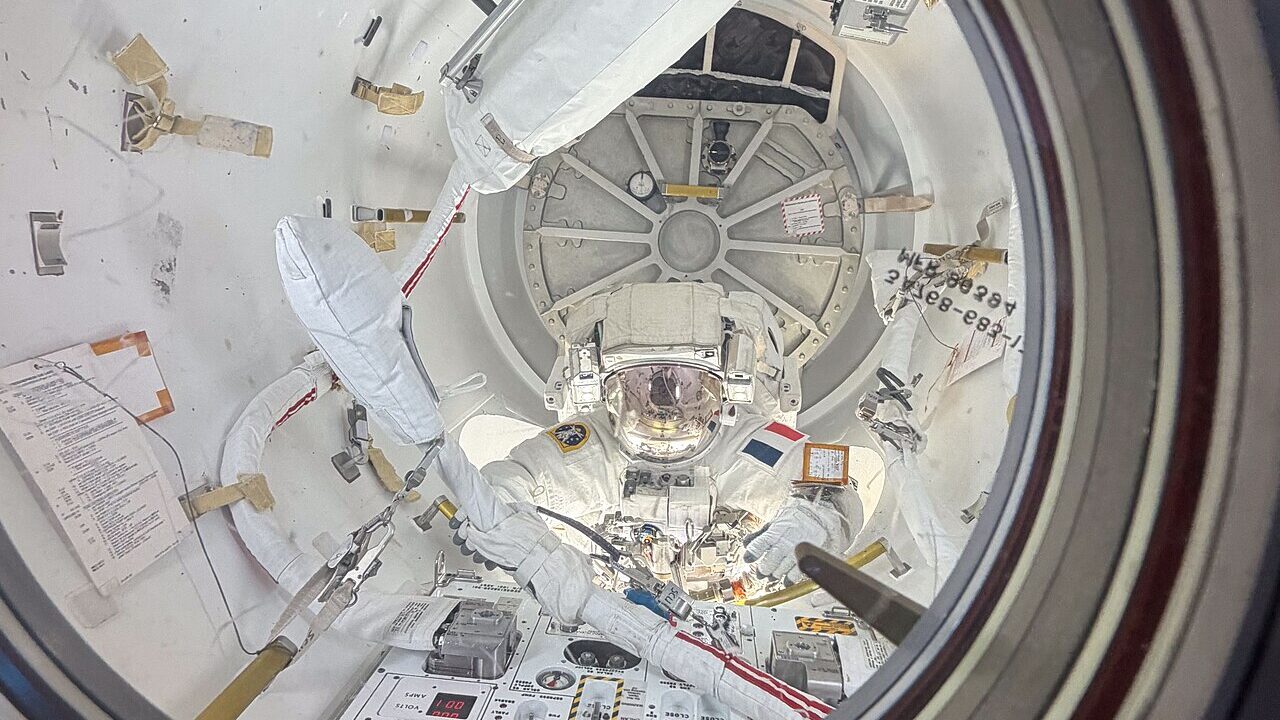
Astronauts spending a year in space show a systemic rise in p-cresol, a compound produced by gut microbes, according to a paper in Frontiers in Physiology summarised in NASA's Space Life Science awareness list on October 2. The study examines what that elevation may mean for the brain, heart, bone, liver and microbiome during long missions, drawing on data from the International Space Station programme.
P-cresol is familiar to clinicians on Earth chiefly from kidney medicine, where it accumulates when kidneys cannot clear it. Finding it elevated systemically in healthy astronauts therefore interests researchers for a different reason: it may trace how the gut microbiome, diet, confinement and microgravity together alter the compounds the body must handle on a long voyage, where no resupply or evacuation is available.
The paper's framing is implications, not conclusions, and this report keeps it that way. A single microbial metabolite rising in a small, highly selected astronaut population does not establish harm, benefit or a need for intervention. It identifies a measurable signal that mission doctors can track, compare across crews and correlate with the cognitive, cardiovascular and bone outcomes long-duration programmes already monitor.
Space life-science publications of this kind are best read as instrumentation for future decisions. Countermeasures for Mars-class missions — diet design, microbiome support, exercise, shielding — will be assembled from dozens of such signals, each weak alone. The awareness list that carried the paper exists precisely to keep that accumulating record visible to the researchers who must eventually act on it.
Express News Bulletin attributes the finding and its stated implications to the paper as listed. Astronaut health data involve very small numbers, and no reader should draw personal health conclusions from metabolite research conducted in orbit; the audience for this finding is the flight surgeons planning the next decade of missions.
The study also illustrates why astronaut research publishes slowly and in small pieces. Crews are few, missions differ, and each biomedical dataset must be collected without compromising the operational work the crew flew to do. Signals that survive those constraints — replicated across missions and measurable with flight-ready instruments — are the ones that eventually change a checklist, a menu or a spacecraft design requirement.