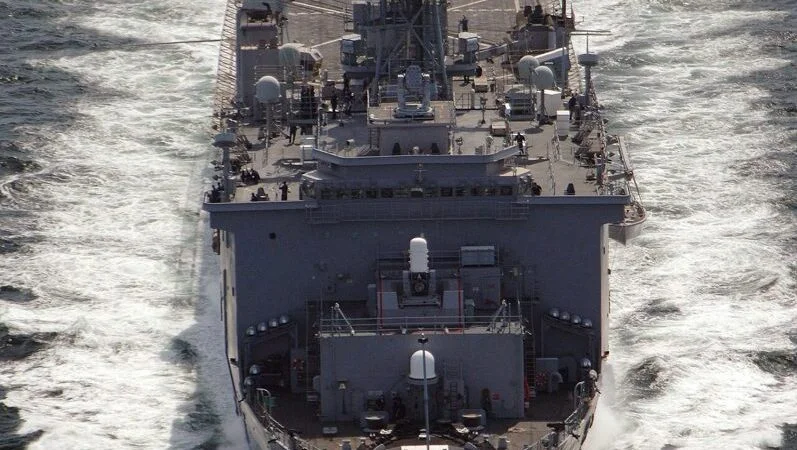
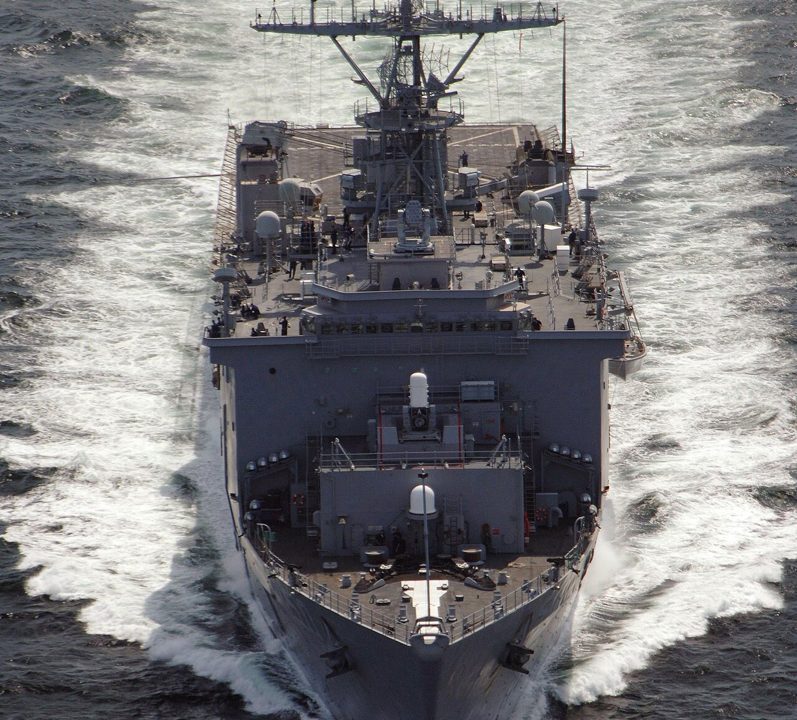
Embassies emptied and warnings issued: the precautions before any Iran decision are now visible, and they tell a story of their own. Gulf capitals have been told to prepare for a short, intense campaign after the midterms, according to reporting cited in earlier coverage, and the precautions that follow from that warning, embassy drawdowns, travel warnings and a Gulf military buildup described as including a third carrier, are the practical cost of preparing for a decision that has not yet been taken.
Precautions are not evidence of a decision, but they are evidence of expectation. Governments do not empty embassies lightly, because the act itself sends a signal to allies, adversaries and their own citizens. A drawdown says that planners judge the risk of staying to be higher than the cost of leaving, even temporarily. A warning says that citizens should change their behaviour, which is a step that governments take only when they believe the risk is real and near. Yesterday’s report on the precautions before any Iran decision described those steps; today’s question is how long they can be sustained without either a decision or a stand down.
The cost of staying on alert
Staying on alert is expensive, in money, in diplomacy and in credibility. Military deployments cost money every day they are in place. Embassy drawdowns disrupt diplomacy, because a reduced embassy cannot do the work of a full one. Warnings, repeated without an event, lose their power, because citizens and businesses learn to discount them. That is the paradox of precaution: the longer it lasts without a decision, the less effective it becomes, and the more pressure it creates for a decision, any decision, to justify the cost.
The calendar adds to that pressure. Five days remain until the American midterms on November 3, and a decision taken before then would land in an election campaign. A decision taken after then would face a newly settled Congress. Planners must therefore weigh not only the military and diplomatic merits, but the political timing, and that weighing is itself a reason for delay, even when preparation suggests urgency.
What a stand down would mean
A stand down, if it comes, would also be a signal, and it would need to be explained as carefully as a decision to act. It could mean that diplomacy has produced a path to a deal, that intelligence has revised the threat, or that the political calendar has simply pushed the decision beyond November 3. Each explanation has different implications, and the absence of an explanation would invite speculation that the precautions were a bluff. The precautions before any Iran decision are therefore not a footnote. They are the visible part of a decision process that has not yet concluded, and they will be judged, in hindsight, by whether they were proportionate to the threat, and whether they were followed by a decision that justified them.