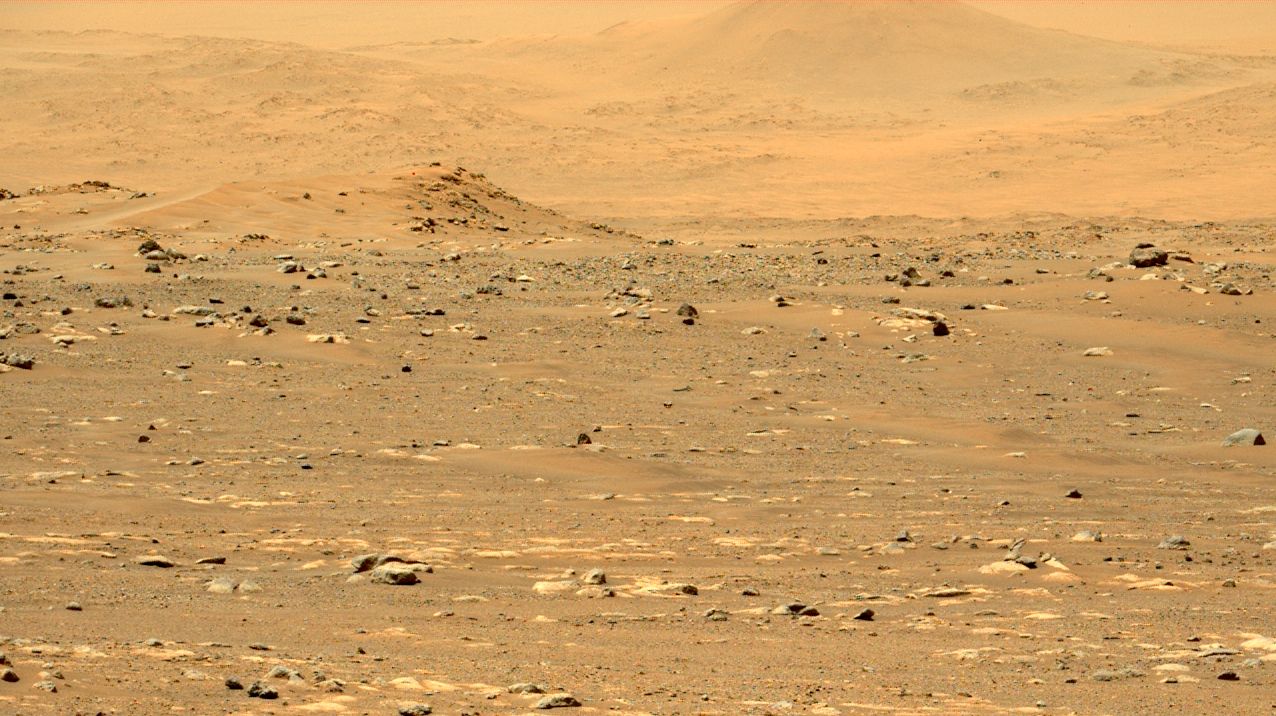
NASA's Perseverance rover has found that rocks in Jezero Crater record repeated encounters with water in different forms — lake water, groundwater and hot fluids — rather than the single ancient-lake story orbital data suggested before landing, according to research published in Communications Earth & Environment and summarised this week. The textures and chemistry the rover measured at close range show the same rocks altered more than once under changing conditions.
Jezero was chosen because orbiters saw a river delta feeding an ancient lake. Ground truth complicated the picture usefully: some units formed or were altered below the surface, and mineral veins record fluids that moved through fractures after burial, at temperatures the lake story never required. A mission scientist quoted in the coverage put the lesson plainly, saying Mars constantly surprises the people who study it after a decade of rover work.
The reframing matters for habitability, the question Jezero was selected to answer. A single lake offers one environment for a limited span; a crossroads of water systems offers several environments at several times, multiplying the places and moments where chemistry could have supported life — and the rock types in which its traces might survive. Sample selection for eventual return to Earth follows exactly this logic.
It also disciplines interpretation. Carbonates, silica, calcium sulfate and fluorite in one rock suite do not announce life; they announce water, chemistry and time, the preconditions investigators can actually establish from a rover. Claims beyond that require the returned samples and laboratories that do not fit on a spacecraft.
Express News Bulletin attributes the findings and the quoted assessment to the published research as reported. Rover results describe the sites the rover has visited; extrapolating Jezero's water history to all of early Mars would exceed what one crater, however well studied, can show.
Sample return raises the stakes of the interpretation. Cores drilled at Jezero are being cached for a future return campaign whose architecture and schedule remain under programmatic debate; every refinement of the crater's water history reorders which cached tubes matter most. A rock suite recording lake, groundwater and hydrothermal episodes in one outcrop is, by that logic, among the most valuable cargo the rover has sealed — worth the care its analysis is receiving in print before anyone proposes what returned grains should be tested for first.