NASA's fall balloon campaign concluded on October 5 with the successful reflight of CORSAIR, a payload built to study the Sun's corona from 102,000 feet using the Wallops Arc Second Pointer, a platform that aims instruments with sub-arc-second accuracy during flight, the agency reported. Launched from Fort Sumner, New Mexico, at 7:30 a.m. Mountain Time after an aborted attempt on September 19, the balloon flew for 8 hours and 28 minutes.
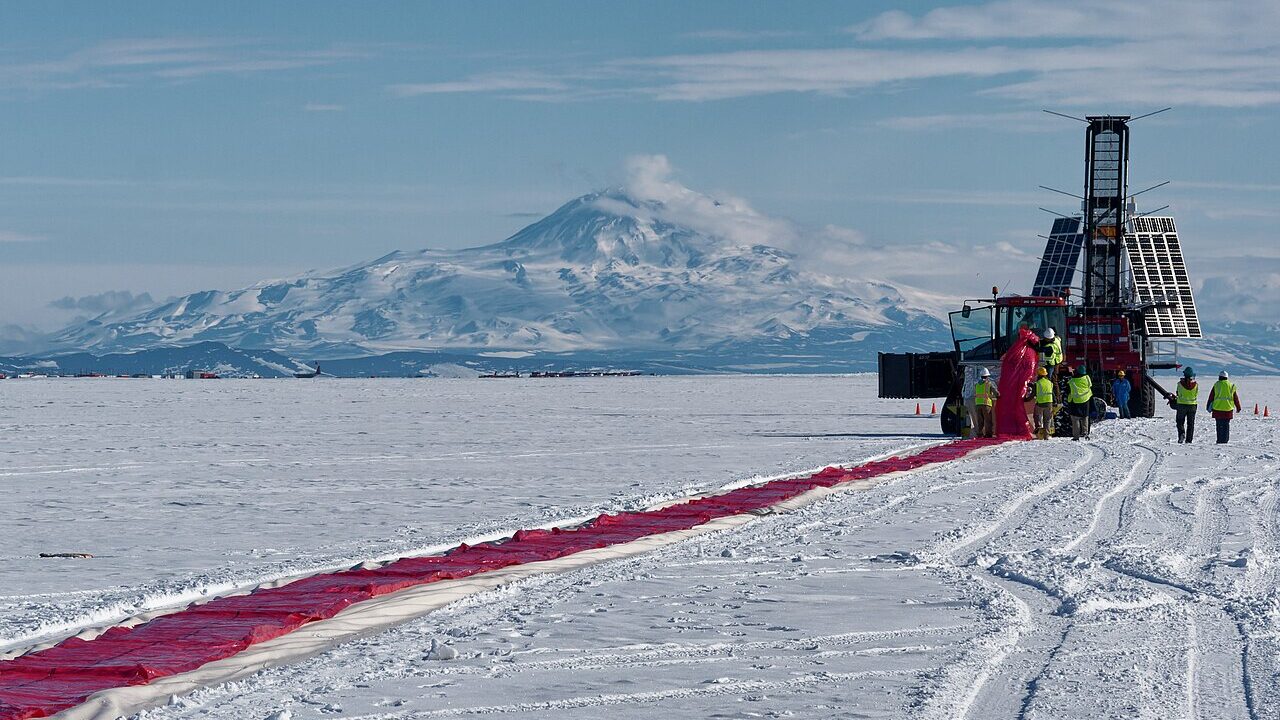
The corona — the Sun's outer atmosphere, where the solar wind originates and eruptions begin — is best observed above most of Earth's own atmosphere, which is what a stratospheric balloon buys at a fraction of a satellite's cost. CORSAIR, the Coronagraphic Debris and Radiation Inspection Suite, pairs that vantage with WASP's precision pointing to demonstrate capabilities for a potential Antarctic mission that would observe the Sun over a full solar rotation of at least 27 days, riding the polar circulation for weeks of continuous viewing.
Balloon campaigns occupy a deliberate niche in the agency's portfolio: instruments too new for orbit, flights recoverable and repeatable, and science teams that can fix after an abort what a satellite team would have to accept. The September 19 abort followed by an October 5 success is that model working as designed, not a blemish on it.
What this flight establishes is engineering readiness, and this report keeps the claim there. No coronal findings accompany the flight announcement, and none should be inferred from a demonstration. The evidence to watch for is the Antarctic decision and the data papers that follow from this flight's own observations once analysed.
Express News Bulletin attributes altitudes, times and mission purposes to NASA's Scientific Balloons programme report of October 6. Balloon altitudes and float durations are as measured by the programme; the payload's scientific results will arrive through publication, not announcement.
Fort Sumner's role deserves its sentence. The New Mexico range has hosted generations of stratospheric payloads precisely because recovery, relaunch and iteration are routine there; the three weeks between this payload's abort and its success flight are the facility's argument made in calendar form. Programmes that must learn cheaply before they fly expensively will keep needing such places, whatever the launch manifests promise.