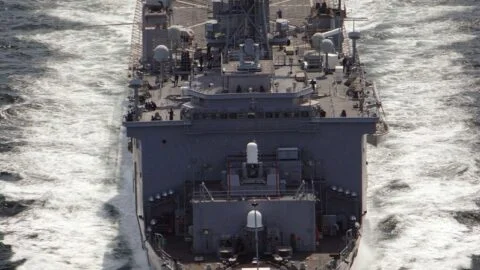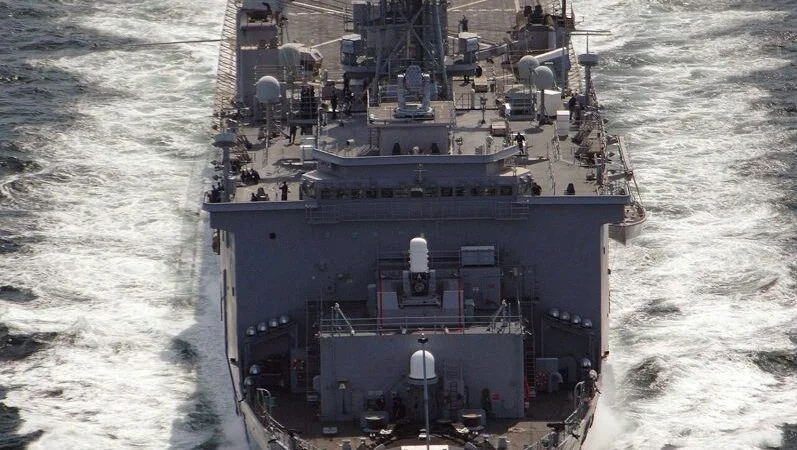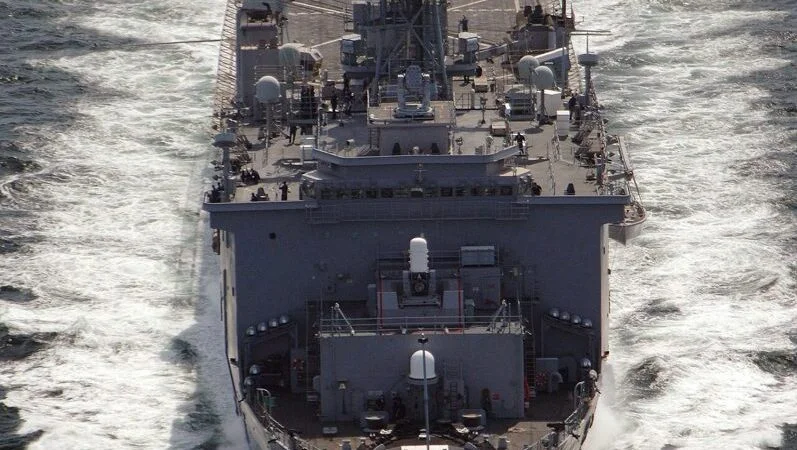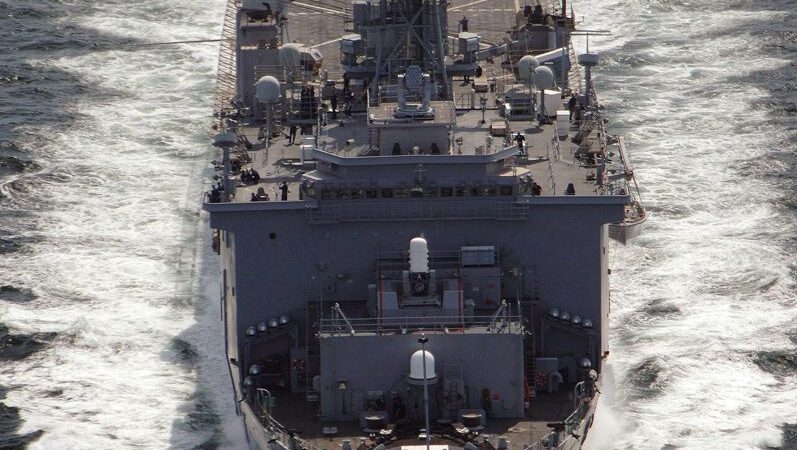

Embassies emptied and warnings issued are the visible precautions before any Iran decision, and staying on alert carries costs that are easy to overlook while the alert is in force. Money, diplomacy and credibility are all spent by an alert posture, and the longer the posture continues without a decision, the more of each is consumed. The Iran calendar, with the American midterms on November 3 and the Oleshky deadline on November 1, means the alert cannot be held indefinitely without either a decision or a stand down, and both options carry their own costs.
The financial cost is the most measurable. Military assets positioned for a contingency, embassies operating on reduced staffing, and security measures for citizens across the region all require funding, and that funding is diverted from other purposes. The diplomatic cost is subtler: allies who are asked to prepare for a contingency, and who then watch the contingency fail to materialise, become less responsive to the next request. The credibility cost is the most dangerous of all, because a warning that is repeatedly issued and never acted on loses its deterrent value, and deterrence, once lost, is hard to recover.
The precautions themselves
The precautions taken so far are standard for a period of heightened tension: reduced embassy staffing in some locations, travel warnings for citizens in the region, and the positioning of naval and air assets within range of potential targets. Each precaution is defensible on its own, and together they signal seriousness. But signals, like warnings, lose force with repetition, and the region has now been on alert for weeks, during which the underlying decision has not been taken. The signal is becoming the status quo, and a status quo is not a deterrent.
The regional context makes the alert more consequential. Houthi strikes have already forced Saudi Arabia to postpone a major investment event to 2027, and Gulf security has deteriorated. Any Iran decision will be read in Riyadh, Abu Dhabi and Jerusalem as a signal about American commitment, and the alert posture itself is already being read that way. Allies are planning on the assumption that the alert means something, and they will adjust their planning if it turns out to mean nothing.
The decision that ends the alert
The alert will end with a decision, a deal, a strike, or a stand down, and each ending has a different cost. A deal would require concessions and verification. A strike would carry escalation risks. A stand down would require an explanation for why the alert was raised in the first place. The Montreal summit’s defence and security discussions show that allies are also planning for a post alert world, and their plans depend on knowing which ending Washington intends.
By November 4, the electoral constraint will have lifted, and the alert will no longer be able to hide behind the calendar. Whatever decision follows will be judged on its merits, and the weeks of warnings will be remembered as either the preparation for it or the prelude to a stand down that wasted everyone’s time and money.