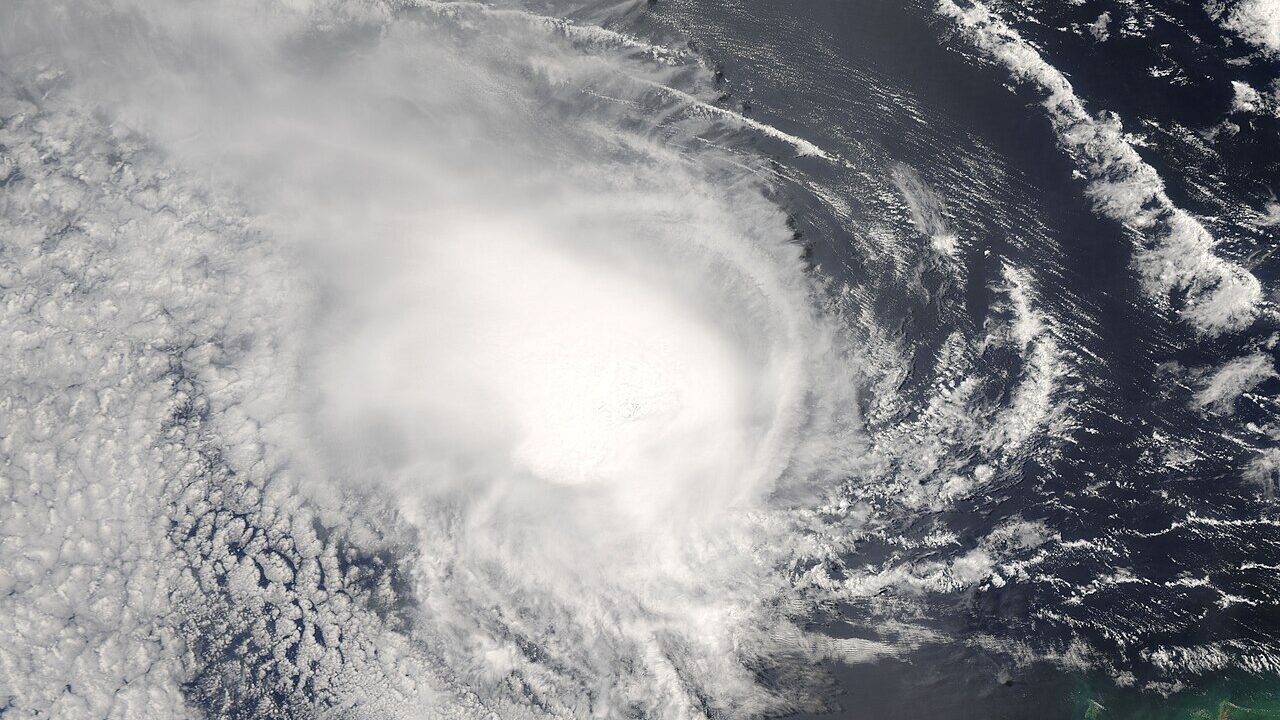
Fishermen along India eastern coast have been told not to venture into the sea until November 4, a warning that captures the full span of Cyclone Murasu danger. The storm itself is expected to make landfall between Nellore and Narsapur late on Monday night or early on Tuesday, with winds of 100 to 110 kilometres per hour, gusting to 120. But the sea will remain rough after landfall, the rain will continue through November 4 in Odisha, and the risk to small boats, which cannot outrun a storm surge or a sudden squall, extends beyond the landfall hour.
The warning applies to a coast still recovering from Cyclone Arnab, which made landfall in Andhra Pradesh on October 28 and affected 1.18 lakh people in Odisha, damaged 75,388 hectares of crops and 1,672 houses, and raised Odisha toll to six with 10 missing. Fishermen in Andhra Pradesh and Odisha lost days of income during Arnab, as boats stayed ashore and markets closed. A second warning, extending to November 4, means further lost income, but it also means fewer lives at risk, because the sea after a cyclone is deceptive: winds may ease while swells, currents and debris remain dangerous.
Odisha preparations reflect that extended danger. The state restarted evacuation in Ganjam, Gajapati and Kandhamal, closed schools in some southern districts until November 3, and sounded a high alert in the south. The India Meteorological Department expects heavy rain in Ganjam, Gajapati, Rayagada, Koraput and Malkangiri, intensifying on November 3. For coastal communities, the warning to fishermen is part of a wider set of orders: stay ashore, stay away from landslide prone hillsides, and do not return to low lying areas until officials say it is safe.
Why sea warnings last longer than landfall
Sea warnings last longer than landfall because the ocean responds slowly to a storm. Winds generate waves that travel far from the storm centre, currents shift, and river discharge from heavy rain creates additional hazards near estuaries where fishermen launch. A boat that ventures out on November 3, when land winds have eased, may still face rough seas generated by Murasu offshore circulation, or by the interaction of storm surge with tidal cycles. The November 4 date gives the sea time to settle and gives forecasters time to confirm that conditions have actually improved, rather than merely appearing to.
Andhra Pradesh, which takes landfall, has focused on power and telecoms, with generators at mandal headquarters and protection for 4,500 BSNL towers, while Odisha has focused on evacuation and relief, with power restored to 99.05 percent of affected consumers. Both states, however, share the fishermen warning, because the Bay of Bengal does not respect state boundaries. The fishermen sea warning to November 4 is therefore a regional order, not a local one, and it will be lifted regionally when conditions allow.
Income lost, lives saved
For fishing families, the warning is a trade off between income and safety that repeats with every cyclone. Days ashore mean no catch, no market income and no money for fuel, food and school costs, at a time when Arnab already cost many families income. Relief packages, announced for Arnab affected families in Odisha, may help, but they rarely replace fishing income fully or quickly. The honest assessment is that the warning saves lives at a real economic cost, and that cost should be part of relief planning, not an afterthought. Until November 4, the sea will be closed, and the coast will wait, as it has waited before, for the water to calm enough to work again.