When French students block a school gate on Tuesday, the first people affected will not be ministers in Paris, but parents deciding what to do with a child who cannot get into class, teachers deciding whether to teach a half empty room, and headteachers deciding whether to close for the day. The blockade, known in France as a blocus, is a protest tactic with a very local impact, and its call for Tuesday and Thursday will test schools, families and communities in ways that a march in Paris does not.
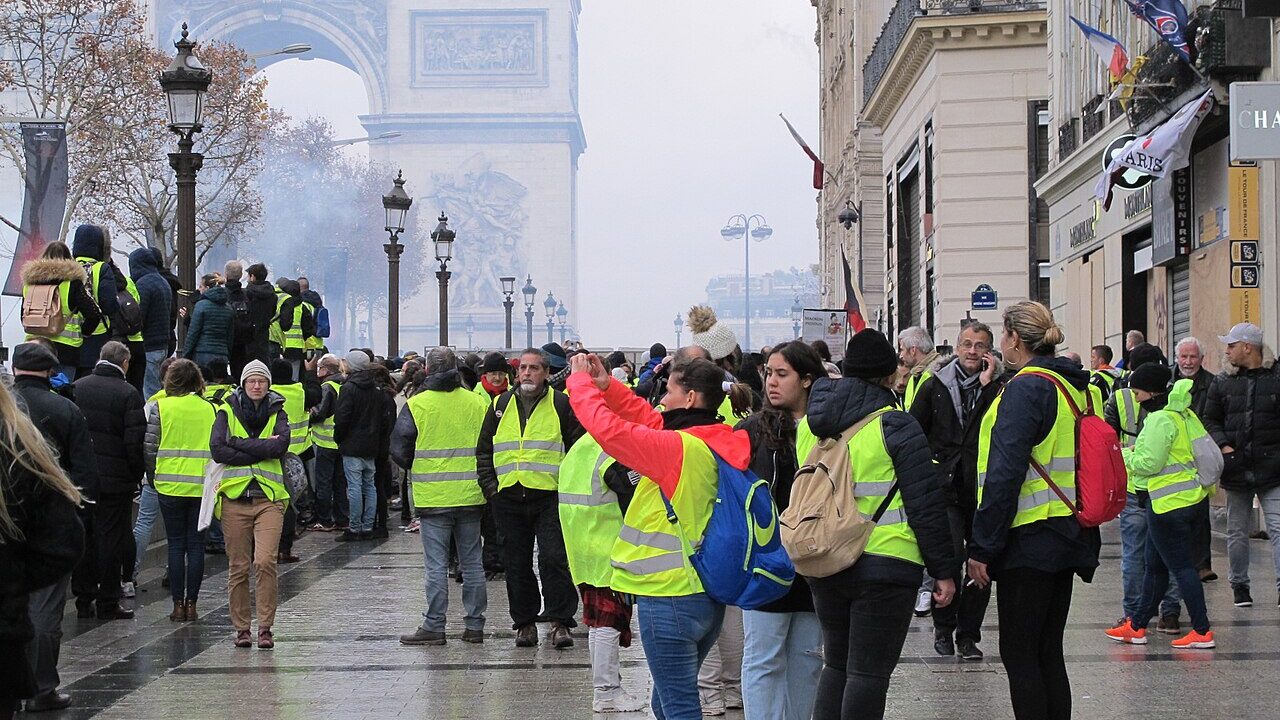
A blocus works by blocking a school’s entrances, so that students cannot enter, or can enter only with difficulty. Student leaders called on citizens to resume school blockades on Tuesday and Thursday, as part of a movement that has already brought hundreds of thousands onto the streets for three consecutive weekends, over living costs and education. For a parent, that call means a morning of uncertainty: will the school be open, will classes run, and what happens if a child is turned away at the gate?
For teachers, a blockade means a disrupted timetable. A class that is blocked cannot be taught as planned, and a teacher who prepares a lesson for 28 students may find 12, or none, in the room. Repeated blockades compound that disruption, because missed classes are hard to make up, especially in subjects where each lesson builds on the last, such as mathematics, languages and sciences. For students preparing for exams, a week of blockades can mean a gap in learning that is not easily closed.
Headteachers in the middle
Headteachers sit in the middle of a blockade, with responsibilities to students, parents and the education authority, and with limited power to resolve the underlying dispute. A headteacher who keeps a school open during a blockade must ensure safety at the gate, where crowds can become tense, and must decide how to treat students who are blocked from entering, or who choose not to cross a picket. A headteacher who closes a school must explain that decision to parents, and must arrange for missed work to be caught up, without a clear timetable for when normal classes will resume.
Parents, meanwhile, face a practical dilemma that is rarely discussed in political coverage of blockades. A parent who works cannot easily stay home with a child whose school is blocked, and a parent who sends a child to a blocked school cannot be sure the child will be safe, or taught, on arrival. That dilemma is why blockades, while effective as a protest, can also erode public sympathy, if they are seen as punishing families rather than pressuring the government.
Why students choose blockades
Students choose blockades because they are visible, local and difficult to ignore, in a way that a march in another city is not. A blocked school is a story in its own town, covered by local media, discussed by parents, and noticed by politicians who represent that town. Blockades also show, in a concrete way, that students are organised and determined, even after a government offer, such as the package presented on Monday, which includes replacing Parcoursup by 2028, cancelling 836 planned teacher cuts, adding 500 new teaching positions, and capping class sizes at 28.
Student unions applauded those initial steps, but said they will continue leading protests until a comprehensive funding plan is put forward, and blockades are their way of keeping that pressure on, school by school. Whether Tuesday and Thursday bring widespread blockades, or scattered actions, will show whether that pressure is still strong, and whether parents, teachers and headteachers, who bear the immediate cost, still support a movement that disrupts their school day in pursuit of a better school system.