
Diplomatic departures are often the earliest public signal of a coming escalation, because they are visible, official and hard to reverse quietly. The State Department ordered non emergency staff to leave Saudi Arabia effective October 23, and US embassies across the region ordered departures last week, moves that, together with reported warnings to Gulf states, point to Washington bracing for a new escalation with Iran once the midterm elections are over. The departures do not prove an attack is coming, but they show that the government is acting as if one might, and that distinction is worth preserving.
The timeline matters. The embassy orders came before the Wall Street Journal reported on October 27 that the US had told several Gulf Arab countries to prepare for a short, intense military campaign against Iran after the November 3 midterms, and before three senior Gulf officials told MS NOW on Friday that allies have been briefed to prepare for strikes as soon as November 4. A government that orders its own staff out of a country is making a judgement about risk to its people, and that judgement is based on intelligence that the public has not seen. The departures are therefore both a protective measure and a signal, to allies, to Iran and to the American public, that the risk assessment has changed.
What departures do and do not mean
Embassy departures have a specific meaning in diplomatic practice. Ordering non emergency staff out reduces the number of Americans who would need protection or evacuation if hostilities begin, and it frees the embassy to operate with essential staff only. It does not mean diplomatic relations are broken, and it does not mean an attack decision has been made. Governments order departures as a precaution in many crises that never become wars, precisely because the cost of leaving early is lower than the cost of evacuating under fire. The Saudi Arabia order, effective October 23, should therefore be read as risk management, not as a declaration.
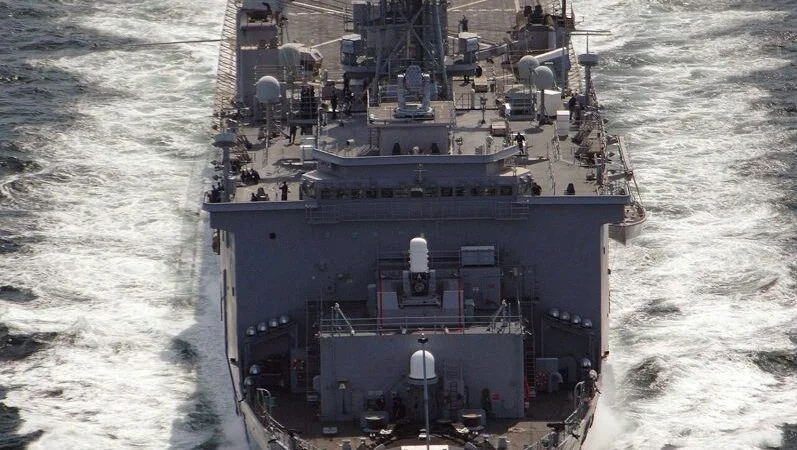
At the same time, departures combined with military preparations carry more weight than either alone. The reported preparations include moving a Patriot battery from Texas to the Middle East, relocating troops from vulnerable bases, replenishing ammunition and preparing bombers and fighters, with an additional carrier group and Marine unit possibly joining next month. When troop movements, embassy orders and Gulf briefings all point in the same direction, the combined picture is harder to dismiss as routine. The US told Gulf countries to prepare for a brief but intense campaign after the midterms, according to the Journal, and the embassy departures are the public counterpart to those private briefings.
The cost of staying on alert
Staying on alert has costs of its own. Embassies operating with reduced staff provide fewer consular services, businesses reassess travel and investment, and allies read departures as a signal about American intentions that may be stronger than Washington intends. Gulf states that were warned to prepare may also resist US use of their bases, according to officials cited by MS NOW, which means the alert posture could complicate the very operation it prepares for. Diplomacy continues alongside the alert: a Qatari mediated proposal is under discussion, with Iran expected to respond by the end of this week, and a reported letter from Vice President JD Vance to Iran’s security council secretary seeks to revive talks.
For Americans in the region, the practical message is to follow embassy guidance, monitor travel advice and prepare for disruption even if no attack occurs. For voters at home, the embassy orders are a reminder that foreign policy decisions made after November 3 will have been prepared before it, in movements of troops and staff that are already visible. An attack has not been ordered, according to all reporting, but the government has positioned itself as if one might be, and that positioning is itself a fact about the coming week.