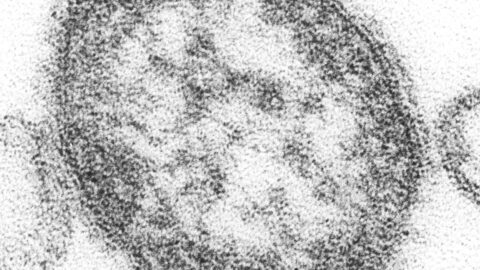
The United States has lost its measles elimination status after outbreaks spread across multiple states, ending a public health achievement that took decades to win. The Pan American Health Organization stripped the status after outbreaks across multiple states over the past two years, and the CDC says the country has logged more than 5,400 cases in 2026.
Why it matters
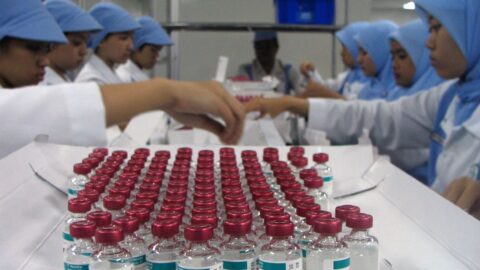
Elimination status means the disease was not spreading continuously inside the country. It was won through years of vaccination campaigns that pushed coverage high enough to stop the virus moving between communities. Losing it is a formal verdict that the virus is circulating again, and that the shield built over decades has developed gaps.
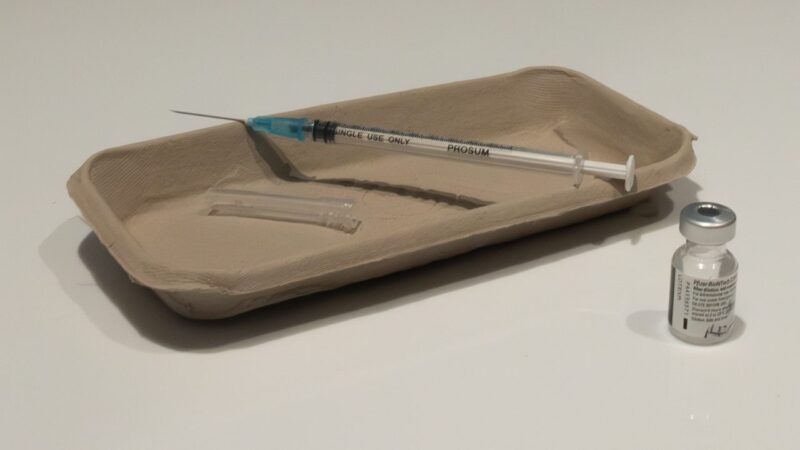
The gaps are about vaccination rates. Measles is one of the most contagious viruses known, and it needs about 95 percent of a community vaccinated to stop spreading. Where coverage has fallen below that level, the virus finds the unprotected, and the outbreaks have reached schools, workplaces and communities where the rates slipped first.
What happens next
The human cost is already visible. Five measles deaths were reported in November, and Wisconsin reported its first measles death in 36 years as the outbreak spread. Cases have now reached 47 jurisdictions, and health officials in several states have warned that the real count is higher than the confirmed cases.
For now, the way back is the same as the way there: vaccination. The outbreaks will continue until coverage recovers, and the longer the virus circulates, the harder it becomes to win the status back. The country eliminated measles once before, and the question now is whether it has the will to do it again.
The status loss also matters for the families caught in the outbreaks. Parents of newborns too young to vaccinate, and of children who cannot be vaccinated for medical reasons, depend on the community shield that elimination provided. When that shield fails, the most vulnerable face a virus that can kill, and the fear spreads faster than the disease. The outbreaks are a reminder that vaccination is not just a personal choice, it is a promise to the people who cannot protect themselves. The promise has been broken, and rebuilding it will take years.