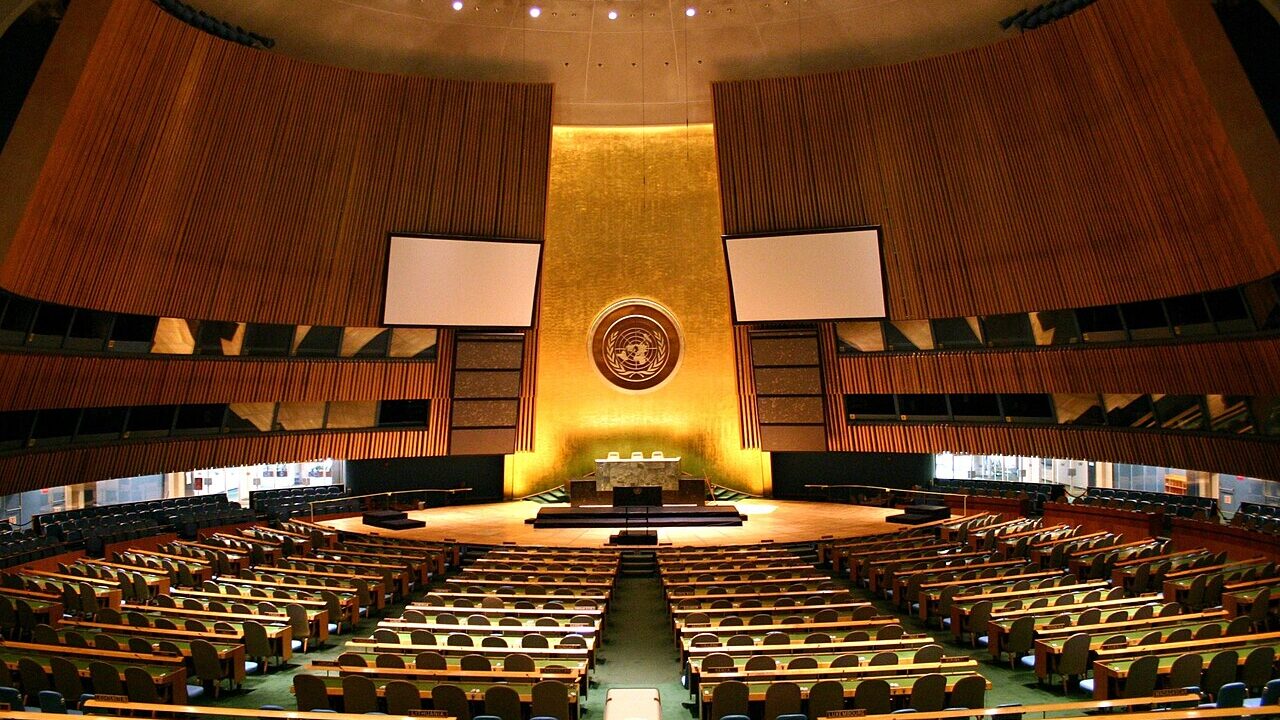
The United Nations General Assembly has adopted a political declaration on pandemic prevention, preparedness and response, with 153 countries voting in favour — but the text reached the floor only after objections from the United States and a few other states blocked its approval by consensus last month.
The declaration had been due for approval at a high-level meeting on September 25. When those objections scuttled the consensus route, the text moved back to the full Assembly, which adopted it on Monday by 153 votes to three: Argentina, Israel and the United States voted against, while New Zealand and Paraguay abstained, according to UN News. The declaration is political and non-binding, calling for stronger national, regional and international cooperation guided by science, equity and respect for human rights.
A welcome — with homework
The World Health Organization welcomed the adoption. Director-General Tedros Adhanom Ghebreyesus welcomed the strong commitment by member states — but urged governments to turn pledges into action, especially by finalising negotiations on the Pathogen Access and Benefit Sharing system, known as PABS. The PABS annex is the unfinished piece of last year’s WHO Pandemic Agreement; without it, the agreement cannot open for signature, move toward ratification or enter into force as international law, Tedros said.
The diplomacy lands on fragile ground. Africa’s ongoing Ebola vaccine work shows how thin preparedness still is where the next outbreak may start, and health systems everywhere are still absorbing financial shocks — with US health insurers diverging after a Medicare ratings shake-up. Research institutions are also rethinking their role, as a Danish university cleared a revised hepatitis B study while America’s CDC waits on its next steps.
Why the fine print matters
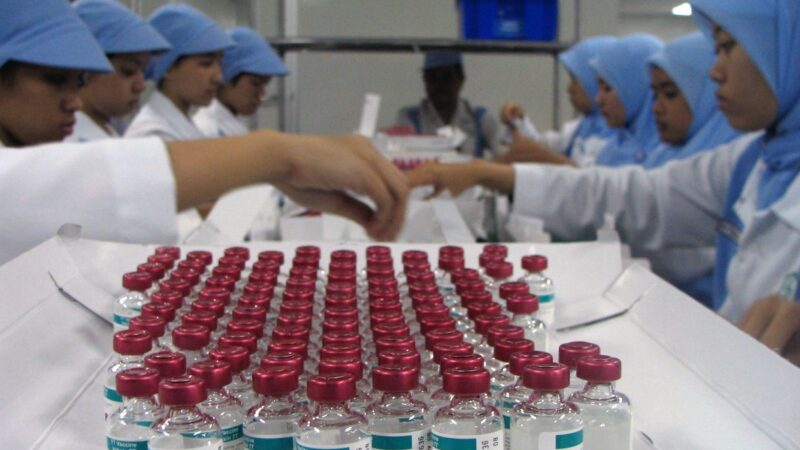
The COVID-19 crisis exposed weaknesses in surveillance, supply chains, access to vaccines and treatments, financing and coordination — and this week’s text asks countries to close those gaps before the next crisis. As the Devdiscourse health desk reported, the declaration reflects a shared understanding that pandemic preparedness is not a health-sector task alone but a development, economic and security priority. Chile’s representative summed up the prevailing mood in the hall: no country, no matter how big or how prepared, can alone address a threat that knows no borders.
For now, the declaration is a promise on paper. Whether it becomes a treaty with teeth depends on the PABS negotiations — the diplomatic equivalent of fine print. Member states have pledged to keep talking. Tedros is holding them to it.