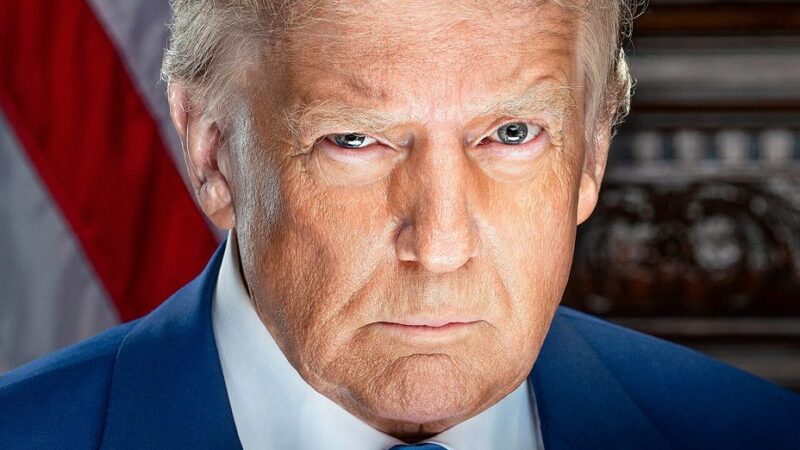

President Donald Trump spent Saturday at Mar-a-Lago in Palm Beach, Florida, and is scheduled to campaign with stops in Kansas and Iowa on Sunday, in a final weekend that mixes in person rallies with telephone based events, and that shows how a modern midterm campaign closes: not with a single rally, but with a schedule designed to reach different voters in different ways, in the last 48 hours before polls open.
Mar-a-Lago, Trump’s Florida residence and club, has become his political base, and a Saturday there is both a rest stop and a working stop: a place to meet donors, record messages and prepare for the final push, without the travel of a rally day. Sunday’s in person stops in Kansas and Iowa, by contrast, are classic closing events, in states where Republican candidates are seeking to hold or gain ground, and where a presidential visit can energise volunteers who will spend Tuesday knocking on doors and driving voters to polls.
Telephone based events, also planned for the final weekend, serve a different purpose. A telephone rally can reach voters in several states at once, including voters who cannot attend a rally in person, and it can be targeted to a specific audience, such as voters in a close House district, without the cost and logistics of travel. For a campaign with limited days left, the telephone is a force multiplier: one call, many listeners, and a message that can be repeated, recorded and shared.
Why the final weekend still matters
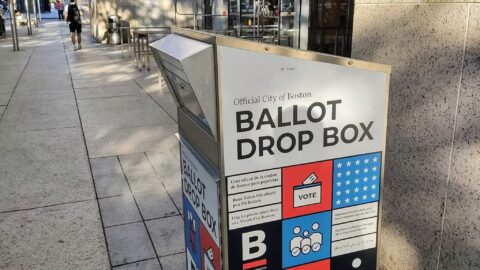
With more than 51 million Americans already having voted, a midterm record, it is tempting to ask whether the final weekend matters at all. It does, for two reasons. First, millions of voters have not yet voted, and in close races, the voters who decide on the final weekend, or on Tuesday itself, can be the margin. Second, the final weekend is when volunteers are mobilised, and a volunteer who is energised on Sunday is a volunteer who will work on Tuesday, calling, texting and driving voters who might otherwise stay home.
The final weekend is also when campaigns set the narrative for election night. A strong closing rally, a well received telephone event, or a message that dominates weekend news coverage can shape how voters interpret the result, even before it is known. That is why presidents and party leaders spend the final weekend on the road, or on the phone, rather than resting, even when early voting totals are already high.
What Tuesday will decide
On Tuesday, voters will decide 35 Senate races and all 435 House seats, with Republicans holding a 53 to 47 Senate majority and a narrow House edge. The final weekend’s rallies and calls will not change the fundamentals of those races, but they can change turnout, and turnout, in a midterm, is often the difference between a wave and a disappointment. Trump’s schedule, from Mar-a-Lago to Kansas and Iowa, and from rallies to telephone events, is a turnout schedule, designed to get his supporters to the polls, and to keep them there, through Tuesday.
Whether that schedule works will be known only when the votes are counted, but the effort itself shows what campaigns believe: that elections are not decided by early votes alone, but by the last voters, in the last hours, in the districts where the margin is smallest.