
Iowa Senate race is virtually tied in the final polls, and that tie may be the most honest result in the whole battleground set. The New York Times and Siena surveys, released on Sunday, found Democrats ahead in five Republican held states, with Iowa described as virtually tied and Michigan showing the widest lead. Siena director Don Levy said a Senate majority for either party remains possible, with so many races within the margin of error. Iowa, where the poll cannot separate the candidates, embodies that caution: a tie in the polls is not a prediction of a tie in the count, but it is a statement that the poll cannot tell voters who is ahead.
Iowa tie matters because it sits alongside clearer leads elsewhere. Texas at 50 percent to 43 percent, Kansas at 49 percent to 44 percent, Michigan at 53 percent to 42 percent and Ohio at 49 percent to 44 percent all show Democratic leads, with varying margins. Iowa, by contrast, shows no lead to report, only a race too close to call. That contrast helps voters understand polling: a lead of seven points can be reported with confidence, a lead of one point cannot, and a race where the lead is smaller than the error margin should be reported as tied, even if one candidate is nominally ahead by a point or two.
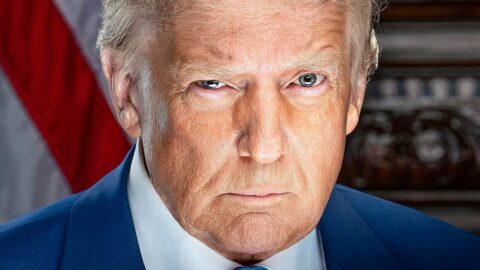
President Trump’s final weekend included Iowa for a reason. After initially cancelling events in Iowa and Kansas, he reversed course and headlined a rally in Dubuque, Iowa, while scheduling remote tele rallies for candidates across the country. Iowa is a state where presidential campaigning still matters, where retail politics and local organisation can move late deciders, and where a tied poll means the ground operation, not the air war, may decide the result. Both parties spent the final weekend in Iowa, in person or remotely, because both know a tied race is won by turnout.
Why tied races decide majorities
Tied races decide majorities because majorities are built from close races. Democrats need a net gain of four Senate seats. If they win the five states where they lead and lose the tied states, they reach a majority. If they lose even one of the leading states and lose the tied states, they fall short. Iowa, Alaska and other close races therefore carry weight disproportionate to their size: they are the seats where a few thousand votes, a weather event on Election Day, or a late turnout surge can change control of the chamber.
The Iowa tied Senate race also illustrates why polls should be read with margins, not headlines. The seven state surveys covered 5,708 likely voters, with state margins from about 3.3 to 4.8 points. A candidate ahead by one point in a state with a four point margin is not ahead in any meaningful sense. Journalists who report that candidate as leading mislead readers, however unintentionally. The honest headline for Iowa is the one Siena gave: virtually tied.
Tuesday in Iowa
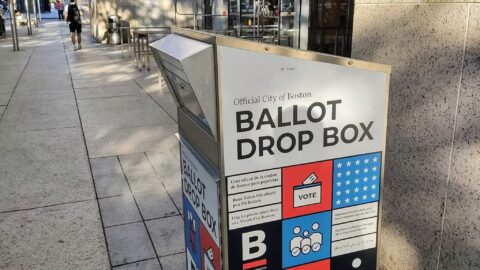
Tuesday in Iowa will be decided by voters who did not answer polls, by late deciders, and by the ground operations that turn supporters into voters. Early voting nationally passed 53 million, but Iowa’s own early voting and Election Day turnout will determine its Senate race, as they have in past cycles where Iowa has swung between parties. A tied poll is an invitation to vote, not a reason to stay home, because in a tied race every vote carries more weight than in a race already decided. Iowa voters, more than any others in the battleground set, will decide the Senate majority by the act of voting itself.